- Aquatherapy
- Physiotherapy
- Child Development
- Orthotics & Prosthetic
Aquatic Therapy for Rehabilitation
What is Aquatic Therapy Used For?
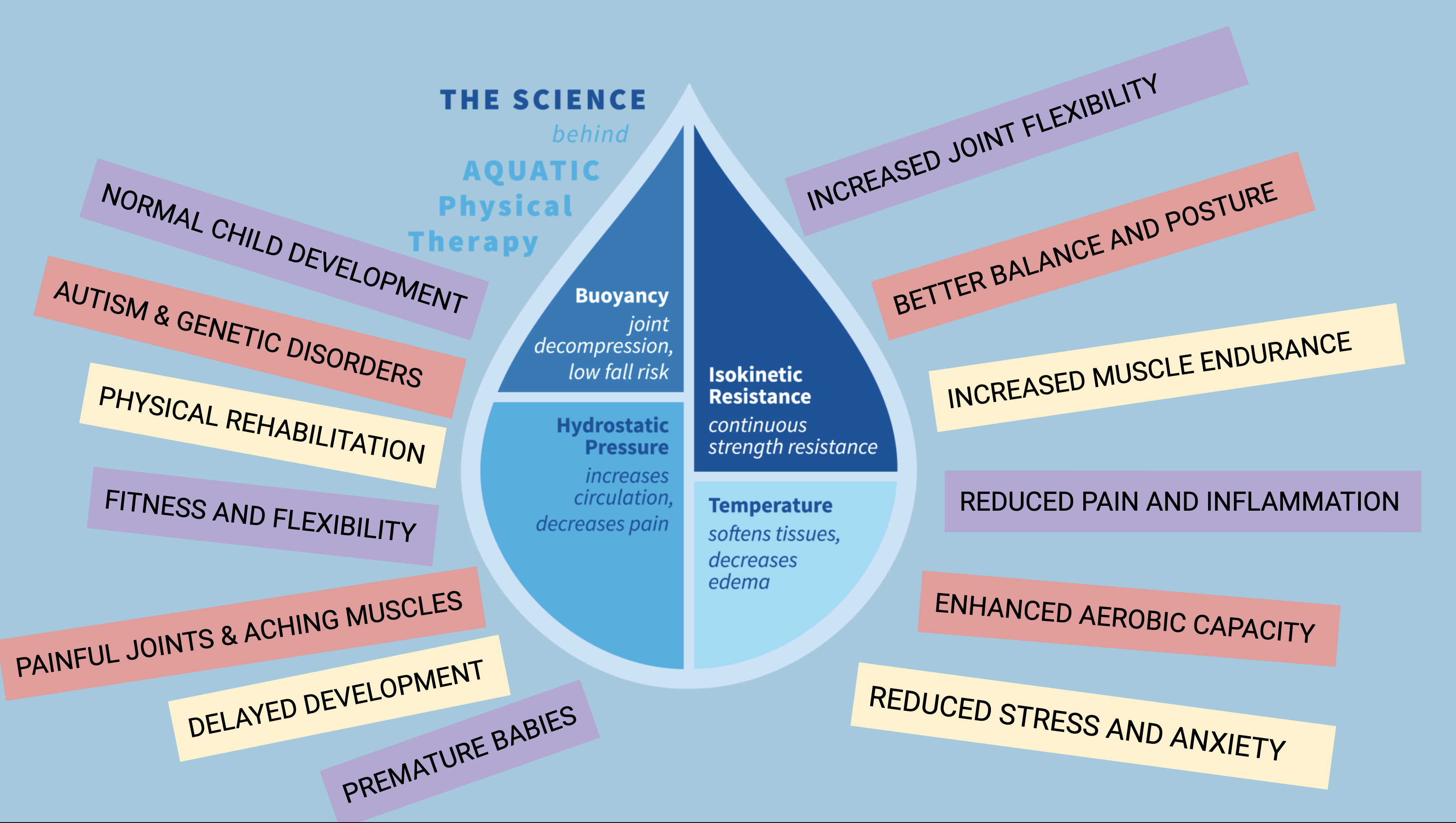
It’s been proven that walking in water provides more than 10 times the resistance of walking on land. Therefore, a child walking in the pool receives the benefit of both the support and resistance of the water. Aquatic therapy also helps relax muscles as pool water is maintained at a warm temperature around 88-90 degrees. Movement within and against warm water has a massaging effect on muscles, joints, and ligaments improving circulation and reducing inflammation pain. As you can see, aquatic therapy has a lot of health benefits and is a great environment for therapy sessions.Plus, how many kids do you know that don’t love jumping in the pool? Now they can enjoy the fun of the water and the benefits of helpful water exercises.
Benefits
Aquatic therapy offers many advantages and benefits to individuals recovering from all phases of injury or illness. The therapeutic properties of water combined with the skills and specialized training of aquatic therapists can help improve the patient's mobility and function. Here are a few benefits that patients can experience by opting for aquatic therapy.
- Improved Balance: The uniform pressure of the water along with the specialized exercises by aquatic trainers, provide support to the patient's body which allows increased time to react without the fear of falling or getting hurt.
- Increase in Muscle Strength: Water is 600-700 times more resistive than air which allows strengthening of weakened muscles. Water resists rapid movement so equipment with increases surface area is used to increase strength in the pool.
- Decrease in Pain: Immersion in warm water increases the patient's comfort by increasing blood supply to sore muscles and promoting relaxation. Weight relief for weakened body structures also creates additional comfort, thus resulting in decreased pain.
- Decrease Rigidity: Water temperatures above 92 degrees in conjunction with hands on techniques are effective in creating neutral warmth that educes increased rigidity which is a common symptom of any neurological injury or other injuries.
- Increase in Joint Flexibility: Aquatic therapy offers a tremendous advantage as it reduces the effects of gravity, thus, allowing patients increased joint range in motion. The affected body part of the patient will float, making it easier and less painful to move.
Infant Swimming and Aquatherapy
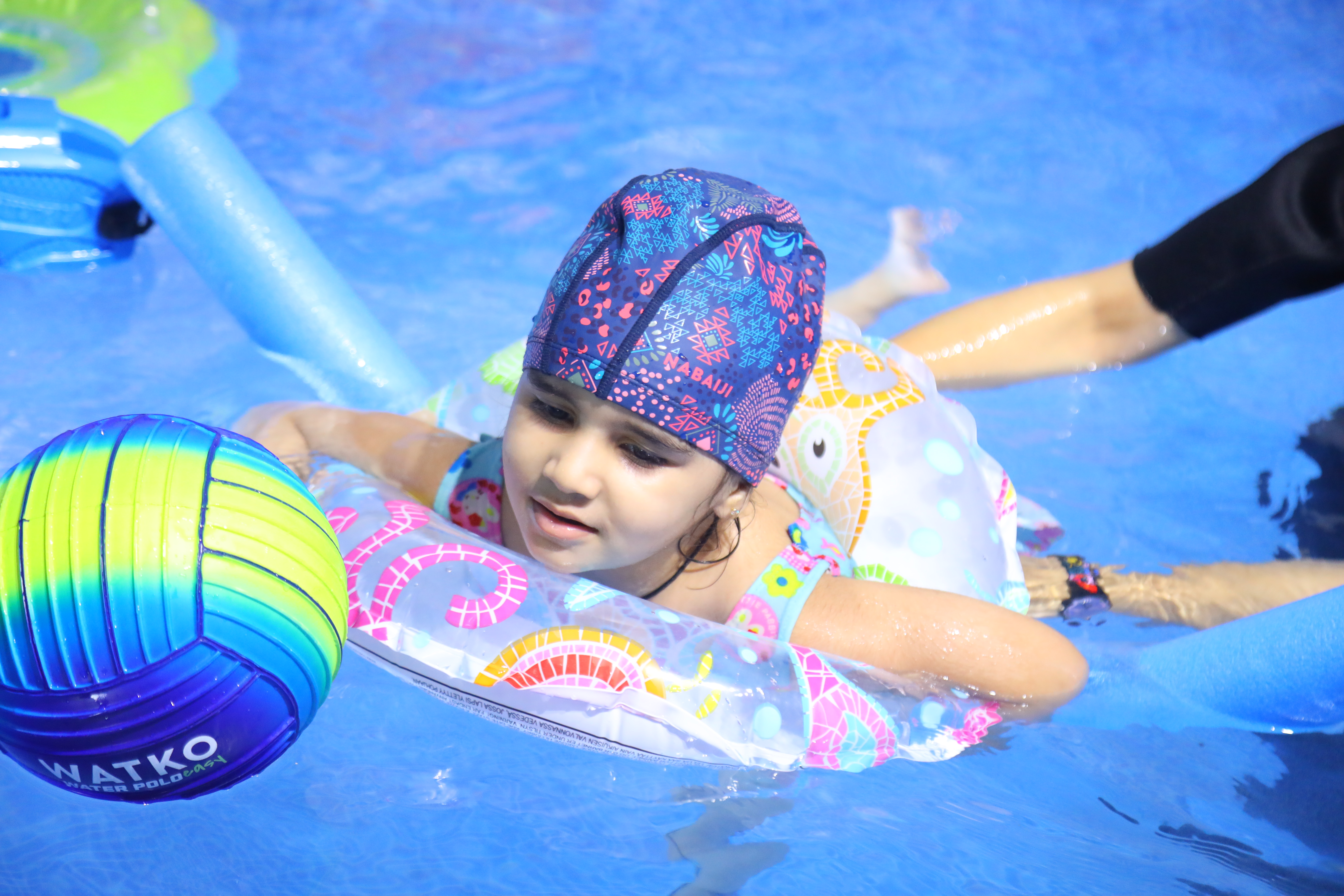
Swimming strengthens their heart and lungs as well as their arm, leg and neck muscles. Bouncing and splashing in the water stimulates the vestibular system, aiding balance. Baby swimming is proven to help with little one's eating and sleeping patterns.
- Babies get to splash some water around, they love a good pool time
- Introduction to water
- Confidence in the Water
- Improved Coordination and Balance
- Muscle Strength
- Exercising the Heart, Lungs and Brain
- Sound Sleep
- Growth in Appetite
Pediatric Aqua Rehabilitation
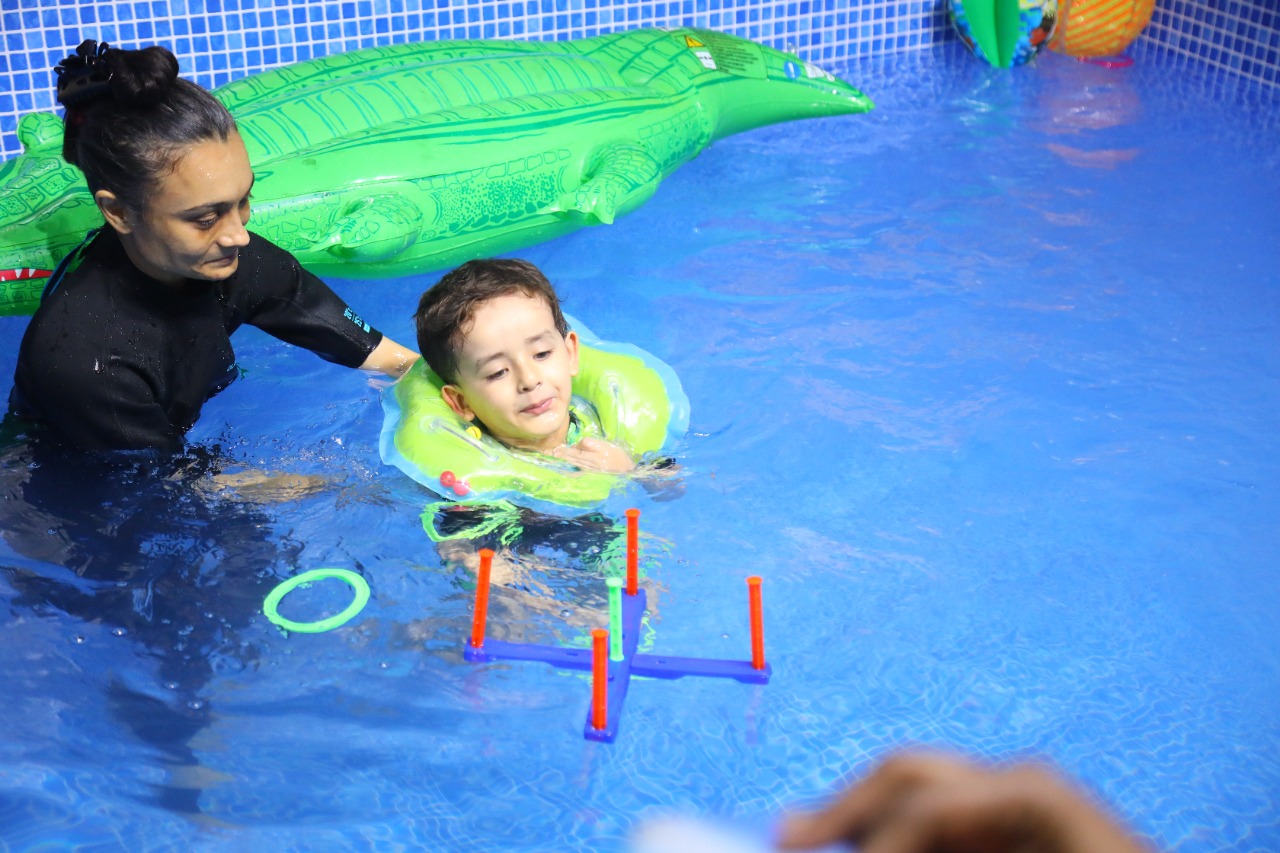
What is Aquatic Therapy for Kids?
Pediatric aquatic therapy is a great alternative to land therapy to help children meet strength, range of motion/flexibility, balance, coordination, endurance, and walking goals. The buoyancy of the water helps reduce human body weight and allows children to move in ways they simply can’t on land.
What is Aquatic Therapy Used For?
It’s been proven that walking in water provides more than 10 times the resistance of walking on land. Therefore, a child walking in the pool receives the benefit of both the support and resistance of the water. Aquatic therapy also helps relax muscles as pool water is maintained at a warm temperature around 88-90 degrees. Movement within and against warm water has a massaging effect on muscles, joints, and ligaments improving circulation and reducing inflammation pain. As you can see, aquatic therapy has a lot of health benefits and is a great environment for therapy sessions.
Children who need help with physical therapy can be a difficult situation, the truth is that children are not as patient as adults and they do not have the same strength and limitation adults do. That’s why physical therapists all over the country continue to utilize the highly-effective benefits of aquatic therapy to help children in need of physical therapy and for good reason.
Benefits of Aquatic Therapy
- Increased strength and range of motion: For children who have suffered an injury such as a broken leg, their ability to move joints freely is highly limited due to swelling and lack of strength in their muscles. Therapy pools are a great environment to help with recovery due to the warm water that helps strengthen the joints. Plus, the resistance of the water makes it easier to lift the leg up and down and strengthen muscles. Performing exercises in the water also helps improve balance and coordination needed after suffering an injury.
- Improves breath control and respiration: If a child suffers from speech issues, aquatic therapy can be very beneficial. Performing simple exercises such as holding their breath underwater while raising their arms up and down can help. The resistance of the water will help improve proper breathing control for speaking.
- Reach developmental milestones: There are multiple scenarios where children need physical therapy to help achieve developmental milestones such as walking, crawling, rolling, and jumping. For example, studies have shown that aquatic therapy has helped children with cerebral palsy or diagnosed with autism in improving mobility and balance. They can benefit learning how to roll or walk in the water a lot easier compared to on land, and overall, water can help increase functional abilities and acquisition of developmental milestones
- Improved social skills and self-confidence: When children can improve their motor skills, it helps decrease social anxiety and increase confidence. Performing exercises and games in the pool can improve competitive play, encourage speaking in children who have anxiety, and learn how to share toys. All these exercises can result in better social interaction and more confidence
- Unlimited fun: When children can improve their motor skills, it helps decrease social anxiety and increase confidence. Performing exercises and games in the pool can improve competitive play, encourage speaking in children who have anxiety, and learn how to share toys. All these exercises can result in better social interaction and more confidence
To help your child live a happier and more functional life, consider aquatic therapy to help reach their full potential. With many benefits, including developing motor skills, improving social interaction and confidence, helping with speech, and building stronger muscles, pediatric aquatic therapy offers a lot to help your child.
Adult Aquatherapy
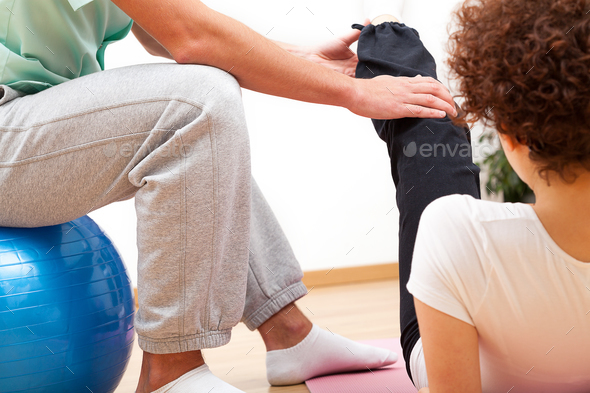
Hydrotherapy (Aquatherapy) for adults is any activity performed by immersing the body in temperature controlled water under the guidance of a qualified Aquatherapist to assist in rehabilitation and recovery.
[1] Aquatherapy is a popular treatment for patients with neurologic conditions like Stroke, Parkinson's, Hemiplegic patients etc.
[2] Aquatherapy also gives excellent results in musculoskeletal conditions like Back pain, frozen shoulder, Arthritis etc.
[3] Adults often require therapy post-surgery rehabilitation after any orthopedic surgery like after Hip or Knee joint replacement for gait improvement, muscle strengthening, mobilization and recovery. Aquatherapy gives best results in such patients by utilising the natural healing properties of water and thereby aiding faster recovery.
Rehabilitation
 Praesent commodo cursus magna, vel scelerisque nisl consectetur et. Nullam id dolor id nibh ultricies vehicula ut id elit. Maecenas faucibus mollis interdum. Praesent commodo cursus magna. Donec sed odio dui.Praesent commodo cursus magna, vel scelerisque nisl consectetur et. Nullam id dolor id nibh ultricies vehicula ut id elit. Maecenas faucibus mollis interdum. Praesent commodo cursus magna. Donec sed odio dui.Praesent commodo cursus magna, vel scelerisque nisl consectetur et. Nullam id dolor id nibh ultricies vehicula ut id elit. Maecenas faucibus mollis interdum. Praesent commodo cursus magna. Donec sed odio dui.
Praesent commodo cursus magna, vel scelerisque nisl consectetur et. Nullam id dolor id nibh ultricies vehicula ut id elit. Maecenas faucibus mollis interdum. Praesent commodo cursus magna. Donec sed odio dui.Praesent commodo cursus magna, vel scelerisque nisl consectetur et. Nullam id dolor id nibh ultricies vehicula ut id elit. Maecenas faucibus mollis interdum. Praesent commodo cursus magna. Donec sed odio dui.Praesent commodo cursus magna, vel scelerisque nisl consectetur et. Nullam id dolor id nibh ultricies vehicula ut id elit. Maecenas faucibus mollis interdum. Praesent commodo cursus magna. Donec sed odio dui.
Praesent commodo cursus magna, vel scelerisque nisl consectetur et. Nullam id dolor id nibh ultricies vehicula ut id elit. Maecenas faucibus mollis interdum. Praesent commodo cursus magna. Donec sed odio dui.Praesent commodo cursus magna, vel scelerisque nisl consectetur et. Nullam id dolor id nibh ultricies vehicula ut id elit. Maecenas faucibus mollis interdum. Praesent commodo cursus magna. Donec sed odio dui.Praesent commodo cursus magna, vel scelerisque nisl consectetur et. Nullam id dolor id nibh ultricies vehicula ut id elit. Maecenas faucibus mollis interdum. Praesent commodo cursus magna. Donec sed odio dui.
Physical Theraphy
 Praesent commodo cursus magna, vel scelerisque nisl consectetur et. Nullam id dolor id nibh ultricies vehicula ut id elit. Maecenas faucibus mollis interdum. Praesent commodo cursus magna. Donec sed odio dui.Praesent commodo cursus magna, vel scelerisque nisl consectetur et. Nullam id dolor id nibh ultricies vehicula ut id elit. Maecenas faucibus mollis interdum. Praesent commodo cursus magna. Donec sed odio dui.Praesent commodo cursus magna, vel scelerisque nisl consectetur et. Nullam id dolor id nibh ultricies vehicula ut id elit. Maecenas faucibus mollis interdum. Praesent commodo cursus magna. Donec sed odio dui.
Praesent commodo cursus magna, vel scelerisque nisl consectetur et. Nullam id dolor id nibh ultricies vehicula ut id elit. Maecenas faucibus mollis interdum. Praesent commodo cursus magna. Donec sed odio dui.Praesent commodo cursus magna, vel scelerisque nisl consectetur et. Nullam id dolor id nibh ultricies vehicula ut id elit. Maecenas faucibus mollis interdum. Praesent commodo cursus magna. Donec sed odio dui.Praesent commodo cursus magna, vel scelerisque nisl consectetur et. Nullam id dolor id nibh ultricies vehicula ut id elit. Maecenas faucibus mollis interdum. Praesent commodo cursus magna. Donec sed odio dui.
Praesent commodo cursus magna, vel scelerisque nisl consectetur et. Nullam id dolor id nibh ultricies vehicula ut id elit. Maecenas faucibus mollis interdum. Praesent commodo cursus magna. Donec sed odio dui.Praesent commodo cursus magna, vel scelerisque nisl consectetur et. Nullam id dolor id nibh ultricies vehicula ut id elit. Maecenas faucibus mollis interdum. Praesent commodo cursus magna. Donec sed odio dui.Praesent commodo cursus magna, vel scelerisque nisl consectetur et. Nullam id dolor id nibh ultricies vehicula ut id elit. Maecenas faucibus mollis interdum. Praesent commodo cursus magna. Donec sed odio dui.
Pediatric Physiotherapy
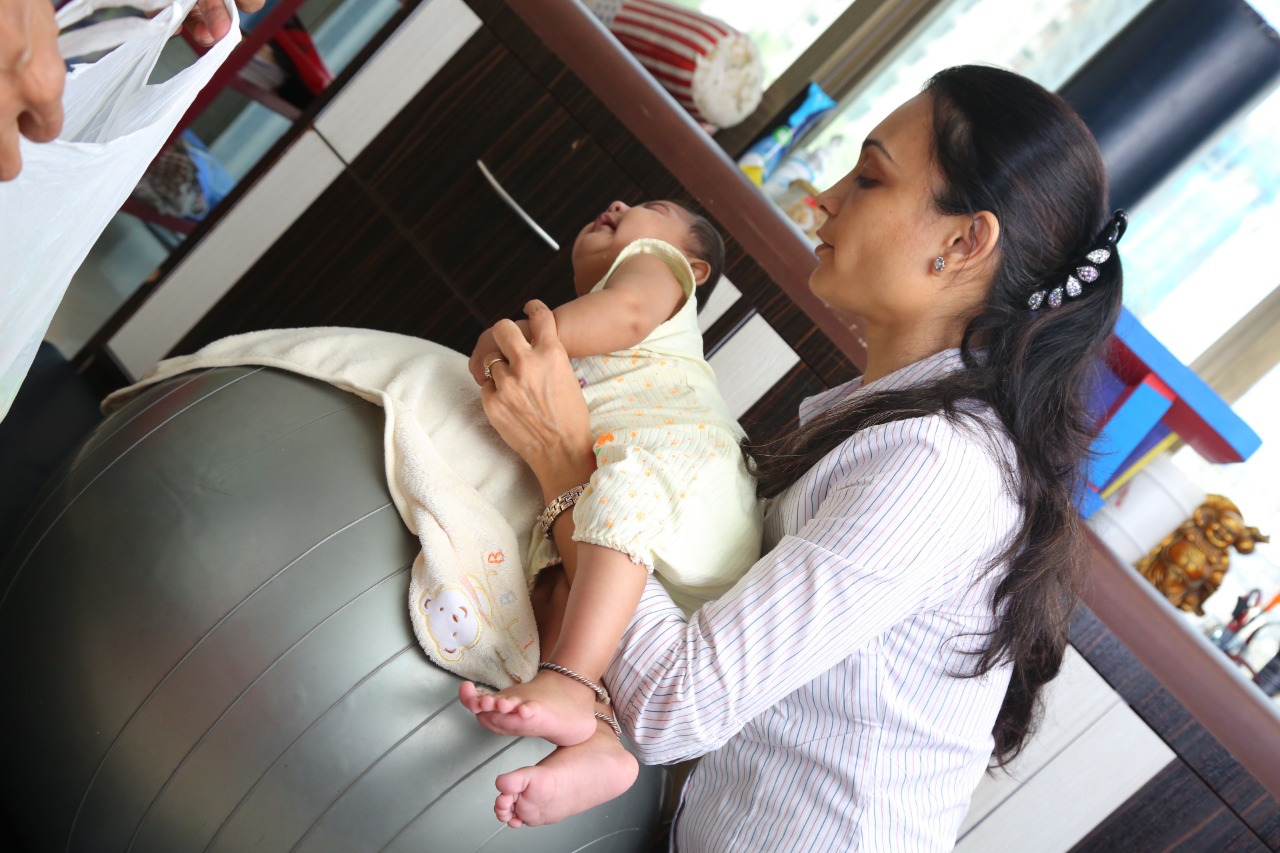
Our Expert team of pediatric physical therapists work to help children reach their maximum potential for functional activities. We use various methods like NDT(Neuro-Developmental Techniques), SI(Sensory Integration) Motor learning theories & constraints concept that includes stretching, gross motor skill exercises and muscle strengthening to improve child's physical ability.
Our therapist uses forms of play to keep children motivated. He or she may also use games and toys, depending on the activity and area of trouble. A therapist focuses on the child and maximizes efforts to help the child learn to overcome difficulties.
Common areas of focus include achieving milestones (physically as well as coordination and balance, climbing and riding, and navigating obstacles.Deficiencies in coordination and balance control are important aspects that keep children from falling easily.
Some children have difficulty determining the relation of the body to the amount of support the body provides, resulting in balance deficiencies. Other children cannot control movement in a coordinated manner. To help in this area, pediatric physiotherapy may involve the use of a large exercise ball in activities .Generally, motor coordination, range of motion, or strength are deficient areas that cause this problem and can be addressed with pediatric physiotherapy.
Occupational Therapy
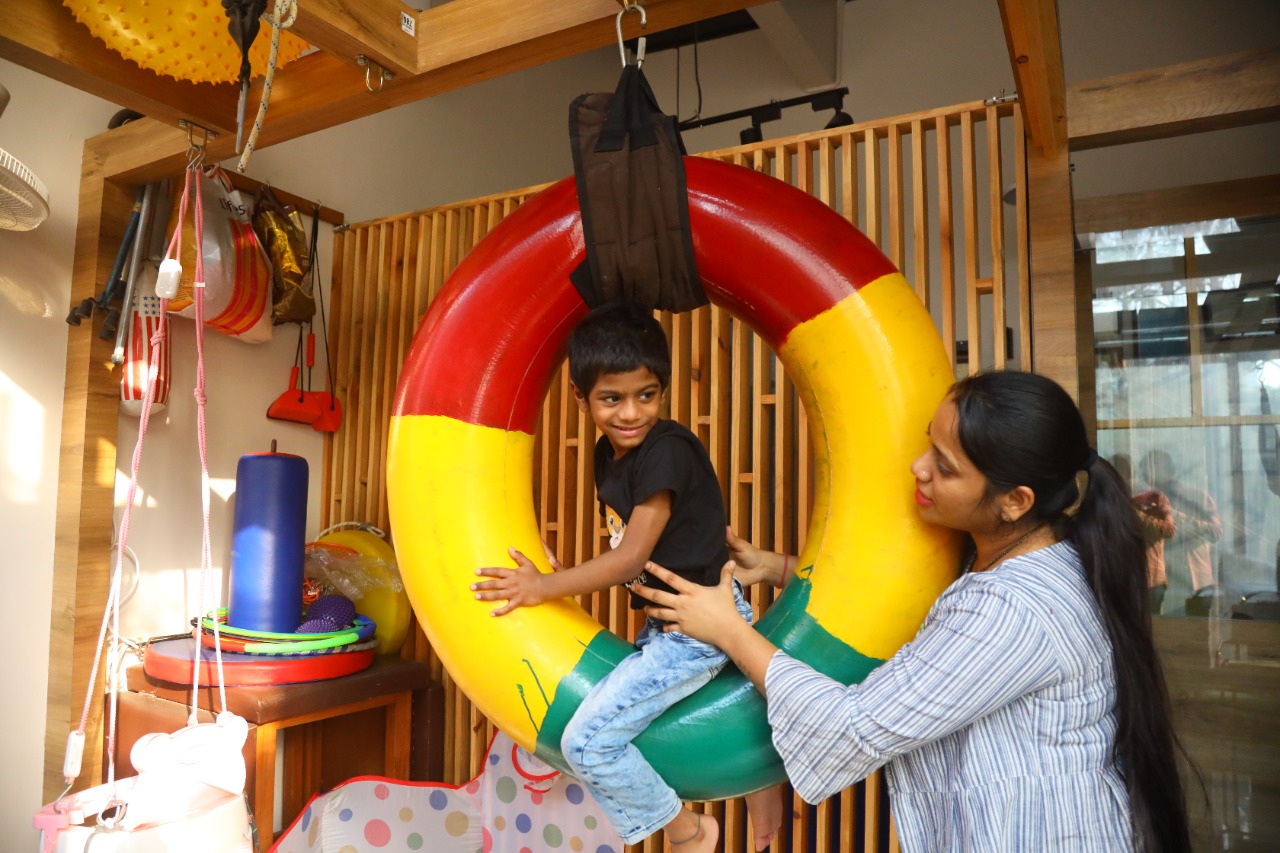
Occupational therapy helps children with motor, cognitive, physical, and speech delays to develop their skills. It also focuses on how kids carry out daily tasks and become self-reliant. They provide therapeutic interventions that help develop their fine motor skills, cognition, language skills, and more.
Who benefits from Pediatric OT?
Pediatric occupational therapy is very beneficial for children with Autism Spectrum Disorder (ASD), Down Syndrome, Cerebral Palsy and developmental delays of varying degrees in all domains of development. Occupational therapy can also help kids who are recovering from a brain injury or stroke. There are many reasons why your child might need a little help, even if they had a normal birth and don’t seem to have any developmental problems. Oftentimes, there might be just one small area that, for whatever reason, the child doesn’t seem to be up to speed with their peers. If you see this in your child ask your pediatrician what you should do about it.
Pediatric occupational therapists work with children from the time they are born to the time they are adults. The skill sets they work with include feeding oneself, dressing oneself, using the bathroom independently, and walking without assistance.
Special Education
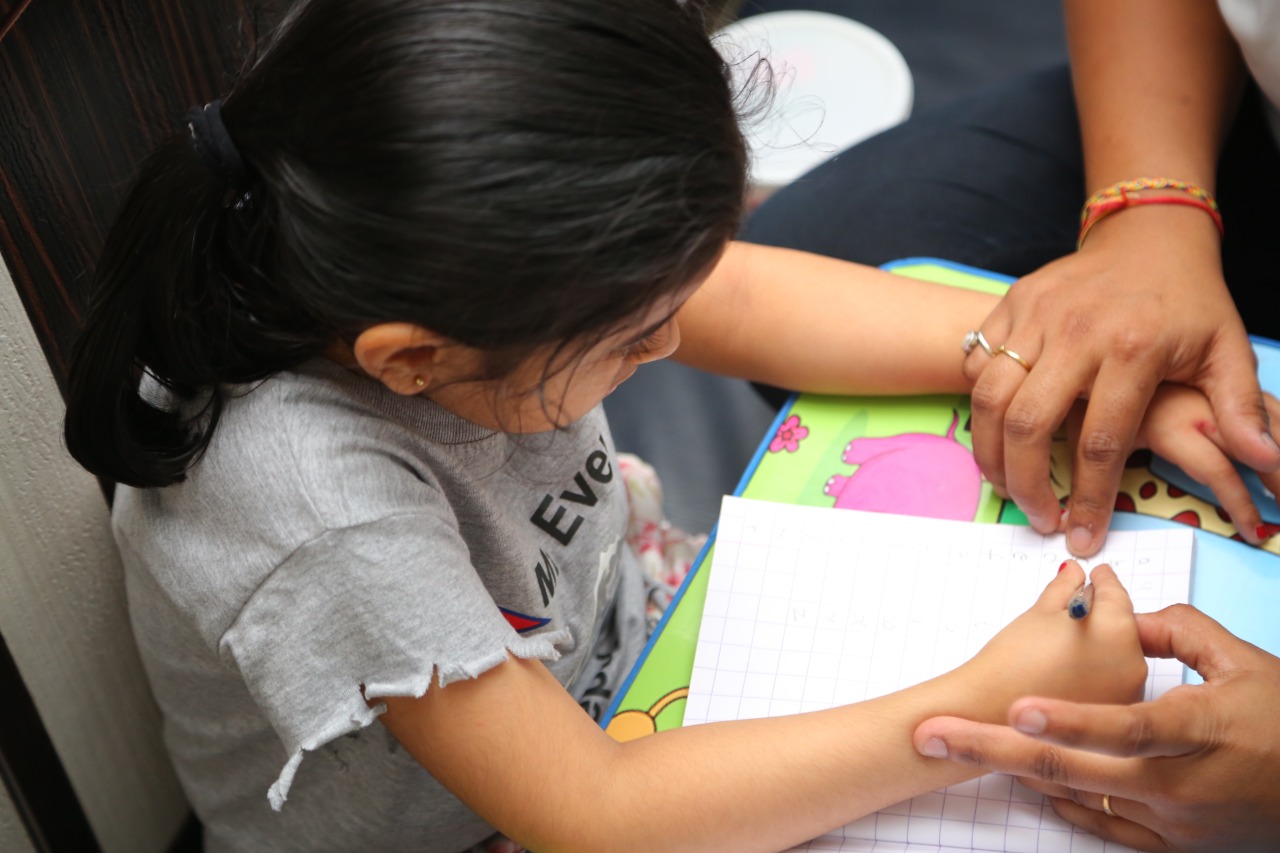
We have tailor-made Special education programs designed for those children who are mentally, physically, socially and/or emotionally delayed.
Special education is the practice of educating children in a way that accommodates their individual differences, disabilities, and special needs. It allows kids to enjoy the education and gain confidence due to individual learning. For the personal growth and development of the special children, it is important for all of them to receive proper education. The disability cases could include emotional, mental, physical or developmental.
Speech Therapy
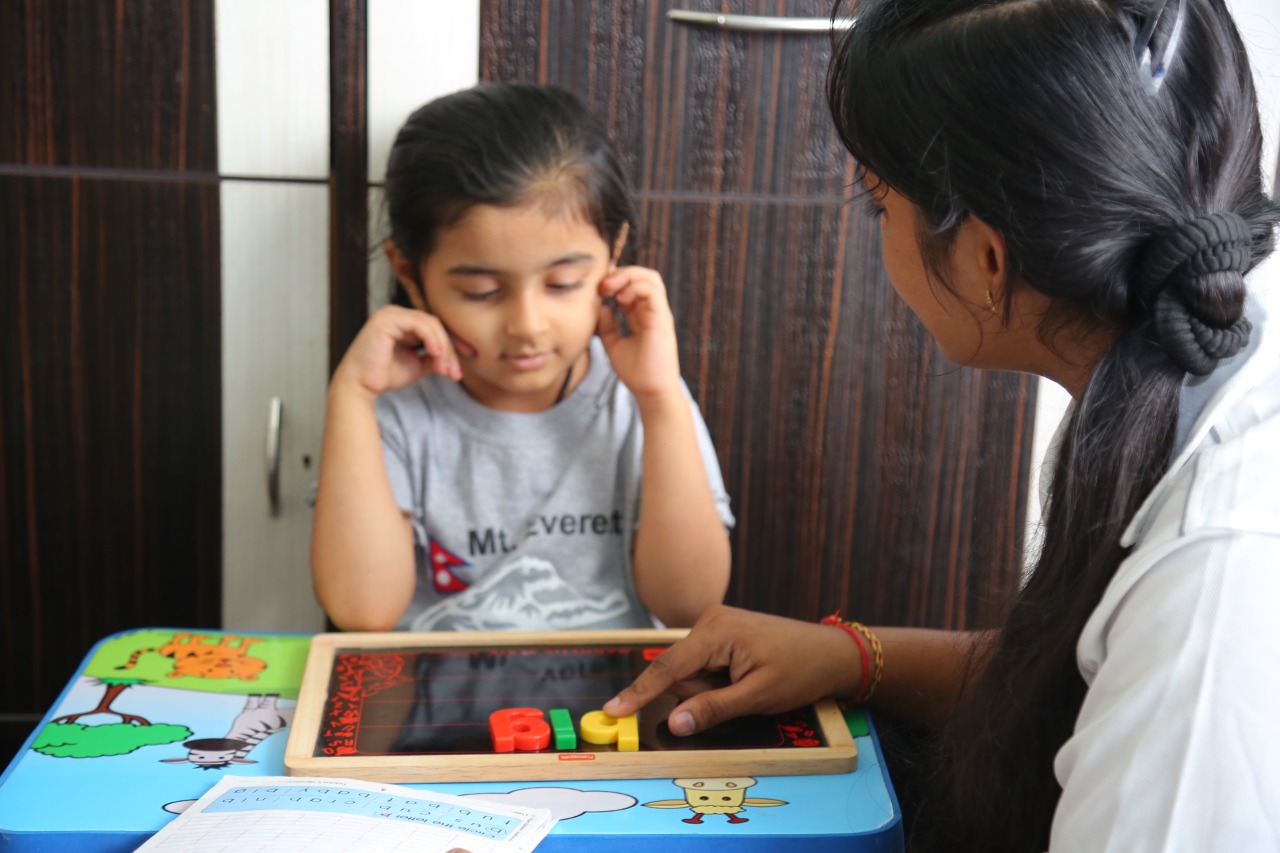
Speech therapy can be used for a variety of purposes. It’s useful to people who have difficulty speaking and those that need minor adjustments in their vocal patterns, such as stuttering or lisping.
Why is Speech therapy essential?
A child’s speech and language skills are one of the most important indicators of their intellectual development. If you suspect that your child has a delay in these areas, it is essential to get them tested as soon as possible. The sooner they start therapy, the better their chances for recovery.
What age can this therapy be started?
The earlier an issue is diagnosed, the easier it will be to correct with early intervention treatment before problems become more severe and harder to address. Early diagnosis also means quicker access to services such as speech therapy or occupational therapy, which can help support children during this crucial time when they are developing so much physically and cognitively.
Adult PhysioTherapy
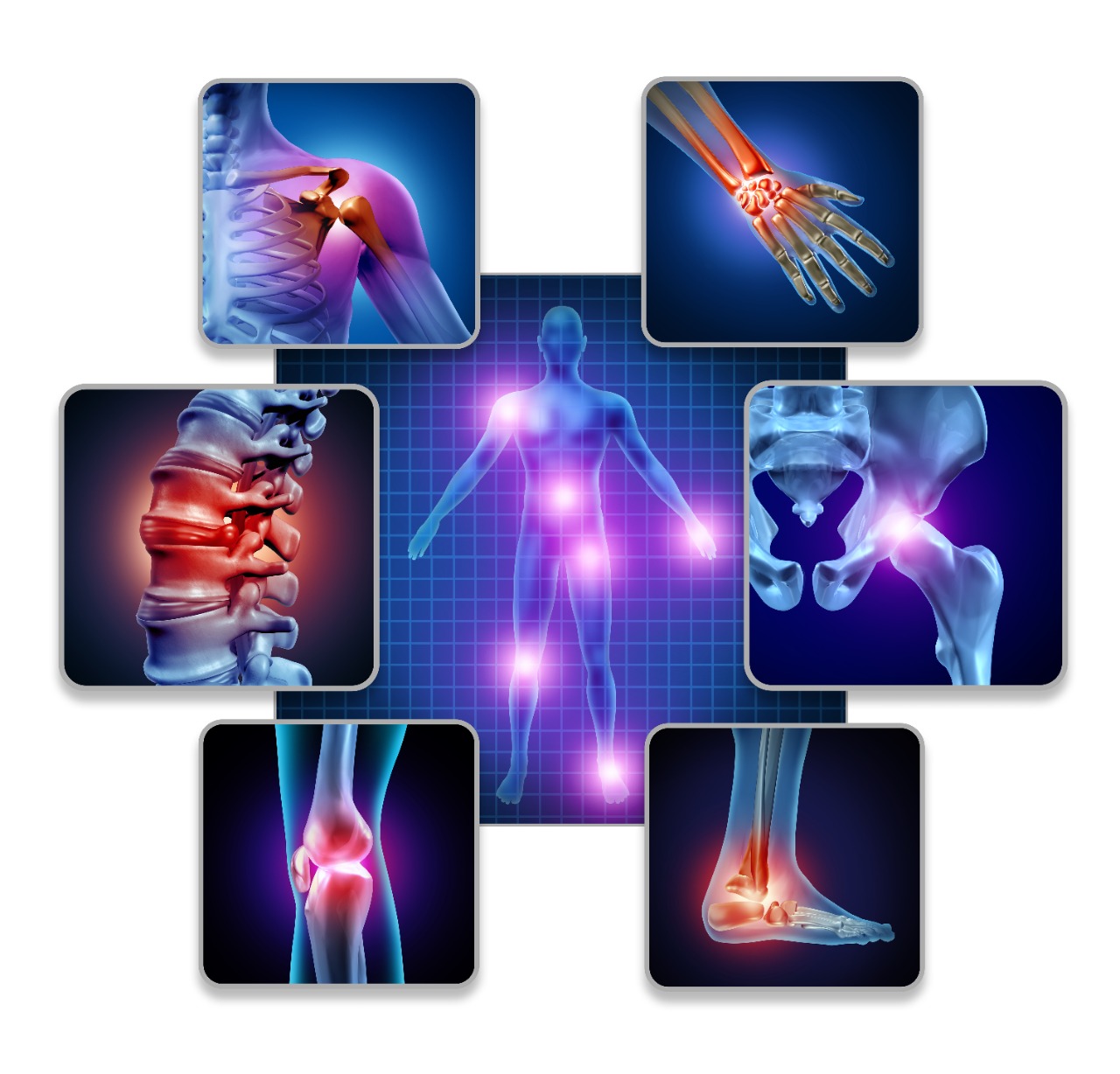
We cover all aspects of Adult Physiotherapy. Everything and anything pertaining to this field is available in our center all under one roof.
There is reliable evidence for physiotherapy involvement for older people, especially those with falls, stroke, arthritis and frailty.
Physiotherapists help people affected by injury, illness or disability through movement and exercise, manual therapy, education and advice. They maintain health for people of all ages, helping patients to manage pain and prevent disease.
Treatment Modalities
Introduction
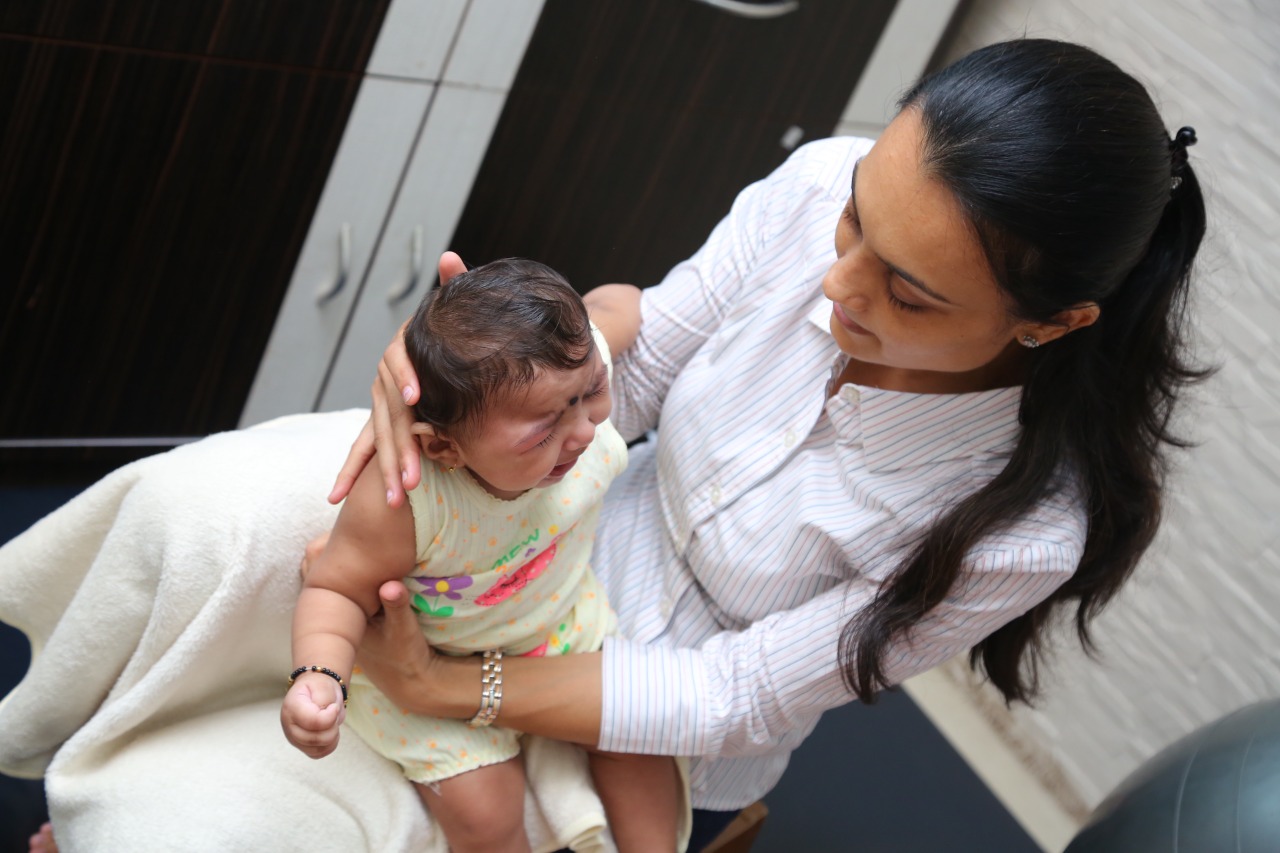
Every child is unique, growing and developing at his or her own rate. Some differences between children of the same age are usually nothing to worry about. However, for one child in 10, these differences can be related to a developmental delays. The sooner these delays are identified, the quicker children may be able to catch up to their peers.
Introduction
We focus on five core areas of development:
- Cognitive Development
- Physical Development
- Communication Development
- Social and emotional Development
- Adaptive Development
Focus of this programme is to promote age-appropriate development and growth of children with developmental delay.
In the past few years we have seen a consistent rise in the survival of Low birth weight babies. The increasing number of surviving infants can be attributed to the recent advances in NICU management. We follow a trans-disciplinary approach in the management of these babies
Normal Child Development

Milestones by child's age.
Play Therapy
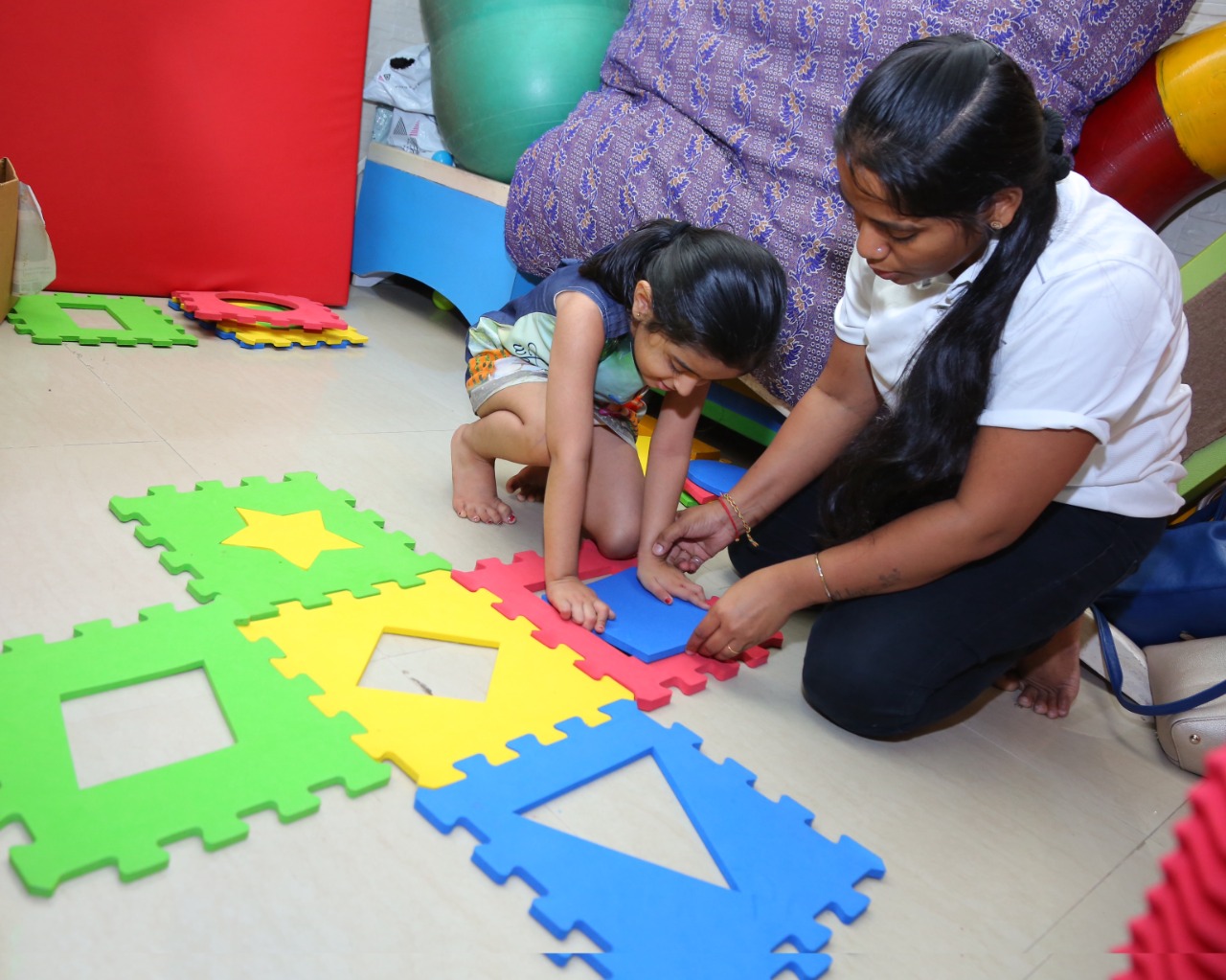
Play therapy is a form of counseling or psychotherapy in which play is used as a means of helping children to express or communicate their feelings.It is to children what counseling is to adults. Play therapy utilizes play, children's natural medium of expression, to help them express their feelings more easily through toys instead of words.
Play therapy can take on a number of different styles. According to Play Therapy International, some examples include:
- Sand trays
- Blocks
- Dolls/puppets
- Board games
- Dramatic role plays
- Therapeutic storytelling
Children between the ages 3 to 12 are the target range for play therapy. Play therapy can also be used with older children or adults with cognitive impairments.
Benefits
- Improved self-expression
- Increased understanding of the self
- Heightened problem solving skills
- Stress relief
- Boredom reduction
- Improved interpersonal connections
The techniques used in play therapy are intended to help children from a variety of backgrounds and of various ages. The specific goals that play therapists are generally working toward include
Play Therapy can be a particularly helpful approach for children in need of therapeutic support & developed good behavior pattern also. A therapist who is trained in play therapy can determine what specific messages a child is sending.
Group Therapy
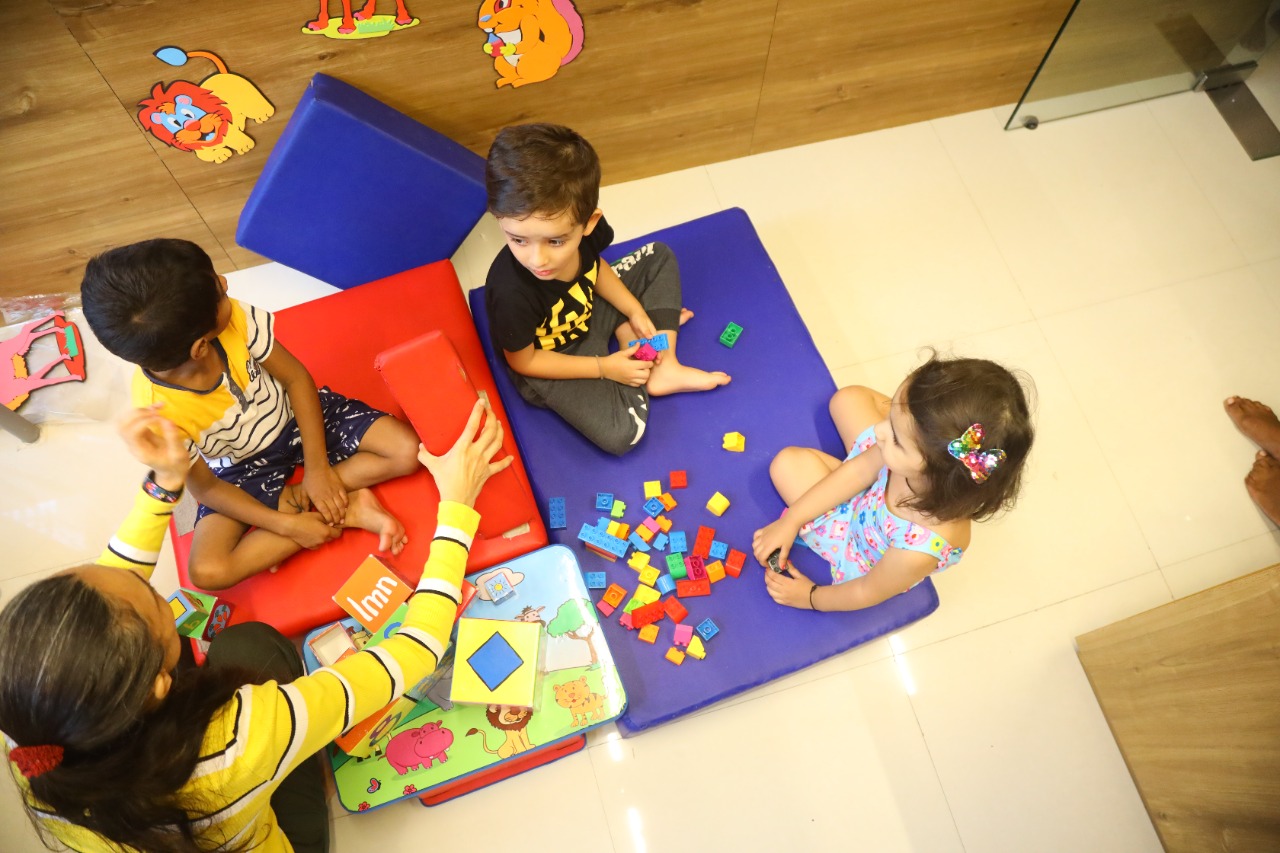
Group activities are suitable for Normal as well as Special children of all ages.By participating in a group activity, children learn from each other and function as each other's role models. They also learn how to be part of a team and therefore develop social skills. Teamwork promotes problem-solving to achieve a common goal.
We can suggest a lot of group activities for your child at our center. Ask your therapist which group therapy would be the most beneficial for your child.
Lego Therapy
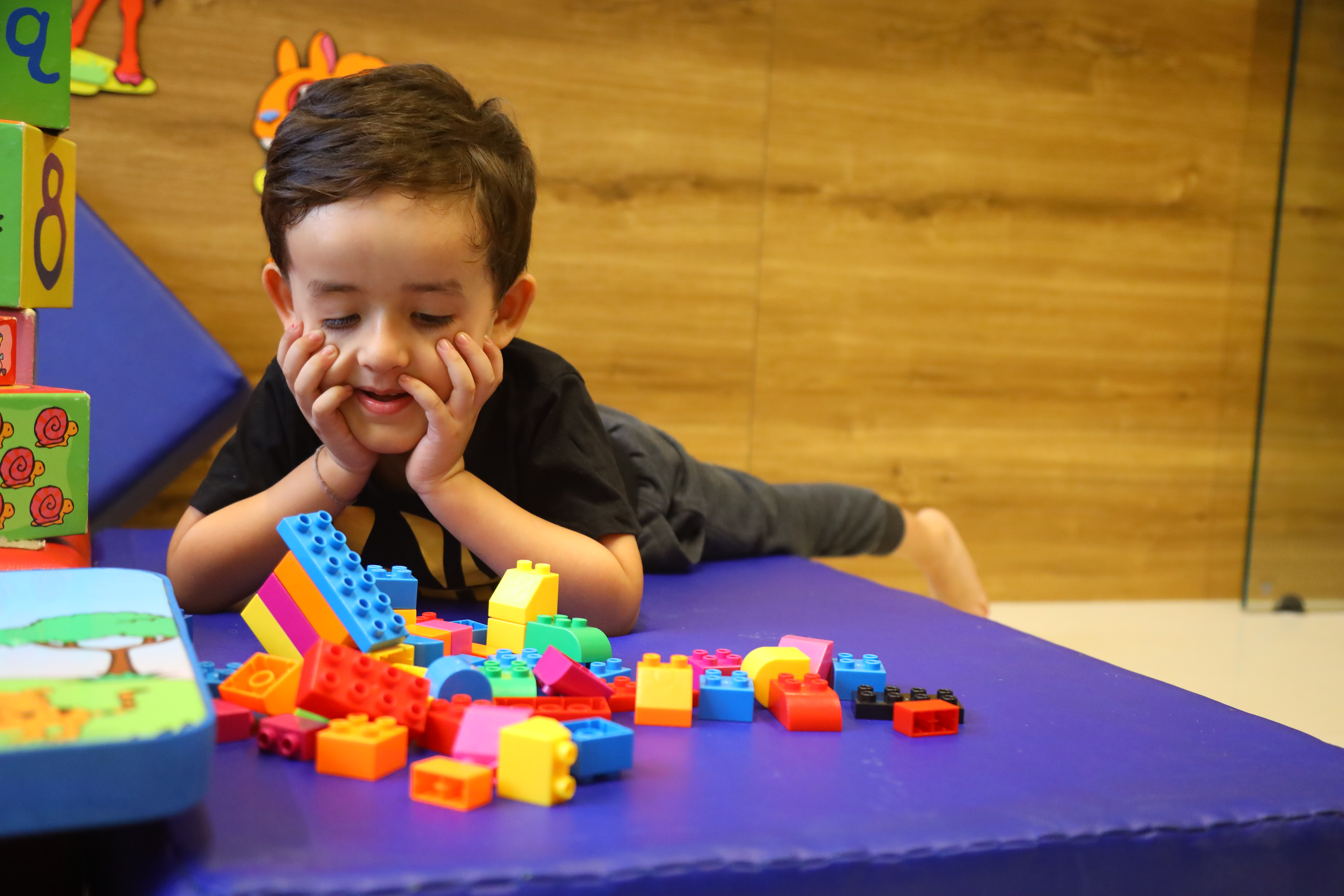
Lego therapy is a social development program for autistic children and other children with social communication difficulties. It uses children's love of Lego play, as well as their strengths and interests, to develop communication and social skills.
Connecting with others is more than just a pleasure; it’s a core human need
Lego Therapy is a powerful intervention designed to support children with ASD and communication challenges in developing skills in language and collaboration. Once considered a mere toy, this world-famous construction system is now also being used by adults to overcome stress, pointing to the power of the humble Lego brick as a transformation tool for healing.
Orthoses (braces and splints)
Introduction
When it comes to children’s orthotics, your choices are custom-made orthotic insoles and prefabricated or non-prescription over-the-counter type insoles.Orthotics are more than just a heel pad or shoe insert.
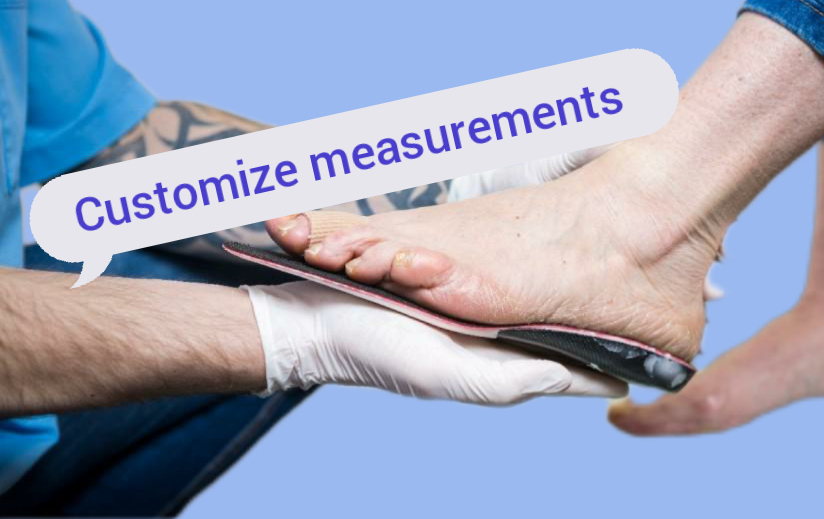
Often, the best orthotic insoles for kids who have gait related (i.e. walking) abnormalities are specially made by your pediatric podiatrist. In these cases, the doctor makes a mold using a plaster or foam cast of your child’s foot. Then, he or she creates the orthosis (the clinical term for orthotic) using this mold.
We Offer Multiple Options for Children's Orthotics and Insoles. The one's purchased at your local pharmacy or sporting goods store is an prefabricated orthotic device that may not fit as you actually require, due to which you will not achieve your goal. To achieve optimum results and comfort, custom-molded individually designed shoe insert or ankle brace need to be fabricated. Orthotic devices like these are frequently used to treat various conditions of the foot and ankle like club foot,flat foot, cerebral palsy kids, diabetic foot etc. Orthotics can be part of a comprehensive treatment plan to address various symptoms, usually pain and discomfort of the feet and legs.
Who Need it?
- Patients having foot pain or swelling
- Patients having sharp heel pain
- Patients having a flat foot or high arch
- Patients having problems with balance or are falling over
- Patients who wear shoes unevenly
- Patients who have a lower limb injury
- Patients having diabetic foot complications
The Benefits of Custom Orthotics.
The good news is that evidence suggests that a customized orthotics can be very effective in reducing pain associated with common foot and ankle injuries. And, in our professional experience, we have seen positive results in the treatment of varying conditions.
- Reduced ankle or leg pain
- Better balance
- Being able to walk further or stand without pain for longer periods of time
- Reduced lower back pain
- Fewer calluses, corns, and bunions
- Improved posture
- Correcting foot deformities
- Helping the foot or ankle function better
- Providing support to the ankle
- Reducing the risks for further injuries
Prosthesis
A prosthesis, or a prosthetic implant, is an artificial device that replaces a missing body part, which may be lost through accidental trauma, disease, or a condition present at birth. Prostheses are intended to restore the normal functions of the missing body part. Prostheses like artificial legs and hands enable people with physical impairments or functional limitations to live healthy, productive, independent, dignified lives and to participate in education, work and social life.
TBD...